Zezepagnon — MAPA
M ZEZEPAGNON
🇫🇷 Français 🇺🇸 English
💼 Consulting 📞 Contact us
Contact us
🏪
Stockists
Find a sales point
›
🤝
Delegates
Contact a MAPA delegate
›
📋
Administration
Contact the team
›
📰 Press release

ZEZEPAGNON : DES RÉSULTATS SCIENTIFIQUES INÉDITS ET ENCOURAGEANTS PRÉSENTÉS AU 47e CONGRÈS DE LA SOCIÉTÉ OUEST-AFRICAINE DE PHARMACOLOGIE

ZEZEPAGNON Official statement — MAPA Scientific Division

Les travaux scientifiques consacrés aux produits ZEZEPAGNON ont été présentés par le Docteur Richard Sawadogo à l'occasion du 47e Congrès annuel de la Société Ouest-Africaine de Pharmacologie, organisé du 13 au 17 octobre 2026 à l'Institut National de Santé Publique (INSP), à Abidjan, en Côte d'Ivoire, sous le parrainage du Directeur général de l'Autorité Ivoirienne de Régulation Pharmaceutique (AIRP).

Le Docteur Sawadogo a présenté des résultats expérimentaux inédits portant sur la qualité, la sécurité, la toxicité et les effets cytotoxiques des extraits de ZEZEPAGNON. Ces travaux constituent une étape importante dans l'évaluation scientifique de ce produit issu de la pharmacopée africaine.

🔬 Des résultats inédits et très encourageants sur plusieurs plans

  1. 1
    Les échantillons de ZEZEPAGNON étudiés satisfont aux spécifications de qualité évaluées, en référence aux 8e et 11e éditions de la Pharmacopée européenne à laquelle adhèrent les réglementations de la Côte d'Ivoire et de plusieurs pays africains.
  2. 2
    Aucun signe de toxicité aiguë n'a été observé chez des souris suivies pendant 14 jours, après administration d'une dose unique de 2 000 mg par kg de poids corporel. Aucun décès n'a été enregistré durant cette période. Selon le protocole de l'OCDE, la dose létale 50 est supérieure à 2 000 mg/kg, ce qui classe le ZEZEPAGNON parmi les produits non toxiques à administration unique.
  3. 3
    Les chercheurs ont également étudié les effets des extraits de ZEZEPAGNON sur des cellules cancéreuses cultivées en laboratoire. Les résultats démontrent une augmentation de l'inhibition de la viabilité des cellules cancéreuses lorsque la concentration du ZEZEPAGNON augmente : plus la concentration augmente, plus les cellules du cancer sont freinées et tuées.
    🧫 Microscopic view
    Cellules cancéreuses du côlon
    56,11µg/mL
    CI₅₀ — inhibition ≥ 50%
    🧫 Microscopic view
    Cellules cancéreuses du sein
    70,10µg/mL
    CI₅₀ — inhibition ≥ 50%
    🧫 Microscopic view
    Cellules cancéreuses de la prostate
    50µg/mL
    Réduction de plus de 50% de la viabilité
  4. 4
    Les tests ont démontré qu'aucune toxicité n'a été observée sur les cellules normales dans les conditions expérimentales étudiées. Ces résultats permettent de dire que les extraits du ZEZEPAGNON agissent différemment sur les cellules cancéreuses comparées aux cellules non cancéreuses : le ZEZEPAGNON n'affecte pas les cellules normales alors qu'il inhibe la viabilité des cellules cancéreuses, ce qui est souhaitable.

Les investigations sur le ZEZEPAGNON vont se poursuivre, notamment avec une étude de toxicité à doses répétées sur une période de 28 jours et plus, ainsi que des expérimentations pour déterminer les mécanismes d'action. Ces travaux permettront d'approfondir l'évaluation de sa sécurité et de mieux définir les prochaines étapes de la recherche.

La valorisation de la pharmacopée africaine représente une opportunité pour renforcer la recherche locale, encourager l'innovation et contribuer, à terme, au développement de solutions adaptées aux besoins sanitaires de nos populations.

Le ZEZEPAGNON entre ainsi dans une nouvelle étape de son évaluation scientifique. Les résultats présentés par le Docteur Richard Sawadogo sont importants, inédits et ouvrent des perspectives de recherche qui méritent d'être explorées avec rigueur scientifique, responsabilité et ambition.

« Valoriser nos ressources naturelles, soutenir la recherche africaine et faire progresser la science au service de nos populations. »
Direction Scientifique
MAPA — ZEZEPAGNON
47e 47th ANNUAL CONGRESS OF THE WEST AFRICAN SOCIETY OF PHARMACOLOGY MERCREDI 14 OCTOBRE 2026
123456789101112
A
B
C
D
E
F
G
H
1 µg/mL CRYSTAL VIOLET · 570 nm · 48 h 100 µg/mL
Summary of the presentation

Propriétés cytotoxiques du Zezepagnon

Quality, acute toxicity and cytotoxicity of a recipe based on several medicinal plants

Dr Richard Sawadogo Principal researcher, Health Sciences Research Institute (IRSS), Ouagadougou, Burkina Faso
PANEL 3
Herbal medicines: challenges of integration into conventional medicine
Wednesday, October 14, 2026
01

The speaker

Dr Richard Sawadogo is a principal researcher at the Health Sciences Research Institute (IRSS) in Ouagadougou, Burkina Faso, and a research associate at the Tang Center for Herbal Medicine Research at the University of Chicago. He has held a doctorate in biochemistry and natural substance chemistry since 2006.

  • Research director at IRSS, Ouagadougou.
  • Editor-in-chief of a scientific journal dedicated to natural products.
  • Research focus: biological properties of natural products as anticancer and anti-inflammatory agents.
  • Author of more than 45 publications in international scientific journals.
  • Received two awards in 2004: one from the President of Faso, the other from the Ministry of Health.
From the outset, Dr Sawadogo wanted to clarify his position: he is not the promoter of Zezepagnon, but a researcher who studied the product scientifically.
> 2 000mg/kg
LD50, single oral dose (mice)
56,11µg/mL
IC50, HCT116 colon cancer cells
70,10µg/mL
IC50, MDA-MB-468 breast cancer cells
≈ 95%
Normal cell (PBMC) viability at 50 µg/mL
02

Introduction and background

Zezepagnon is a tea made from several medicinal plants. It is widely used in Côte d'Ivoire and beyond, in other African countries and elsewhere. The claims attributed to it cover many conditions, notably cancer, kidney failure, diabetes and high blood pressure, among others.

The underlying problem: no scientific study had yet evaluated the product's safety, quality or efficacy against the claimed conditions. Dr Sawadogo focused on cancer, his field of research.

03

Objectives

  • Assess the quality of the recipe.
  • Assess its safety (acute toxicity).
  • Assess its cytotoxicity on several cancer cell lines: colon, breast and prostate.
  • Compare with normal cells to determine whether the toxicity is selective.
04

Methodology

Quality control

Before any laboratory work, samples were sent for quality analysis to the National Public Health Laboratory of Ouagadougou and the National Public Health Laboratory of Côte d'Ivoire.

Extraction

Two extraction methods were used: a decoction and a 24-hour methanolic maceration. Only the maceration results are presented, as they are clearly more significant. After evaporation of the methanol, the extract was freeze-dried to remove any trace of solvent, methanol itself being cytotoxic.

Acute toxicity

Following the OECD protocol, which determines the median lethal dose (LD50) in mice: a single dose of 2,000 mg/kg body weight was administered, and the animals were observed for 14 days to detect signs of toxicity or death, compared with a control group.

Cytotoxicity
Cell line Type Measurement method
HCT116Colon cancer (adherent)Crystal violet, optical density at 570 nm after 48 h
MDA-MB-468Breast cancer (adherent)Crystal violet, optical density at 570 nm after 48 h
PC3Prostate cancer (adherent)Crystal violet, optical density at 570 nm after 48 h
PBMCNormal blood cells (non-adherent)Trypan blue exclusion and automated live-cell counting

Each test was performed in triplicate; results are expressed as mean ± standard deviation.

05

Results

Quality

Both laboratories concluded that the product was fit for consumption and compliant with the specifications of the European Pharmacopoeia (8th and 11th editions).

Acute toxicity

After a single dose of 2,000 mg/kg, no signs of toxicity and no deaths were observed over 14 days. Under the OECD protocol, the LD50 is therefore greater than 2,000 mg/kg, which classifies the product among non-toxic substances in a single administration.

Cytotoxicity

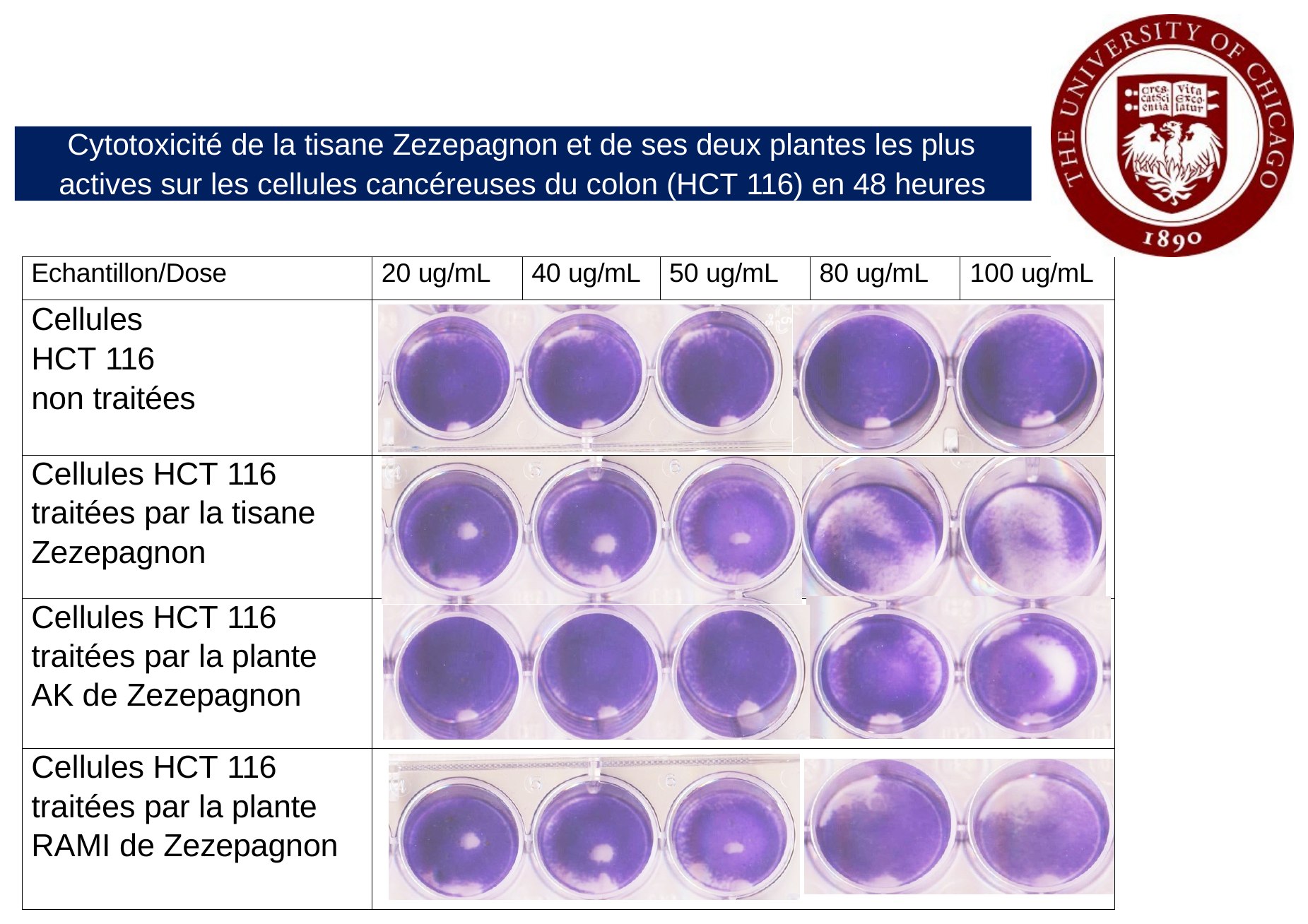
Qualitatively, culture wells treated with the extract (1 to 100 µg/mL) show progressive lightening of the staining, most pronounced at 100 µg/mL. Quantitatively, the effect is dose-dependent compared with untreated cells and the negative control (DMSO, the extract's solvent, at the same concentration).

Cells Result Interpretation
Colon cancer (HCT116)CI50 = 56,11 ± 9,9 µg/mLDose-dependent inhibition of cell viability
Breast cancer (MDA-MB-468)CI50 = 70,10 ± 6,37 µg/mLSame dose-dependent effect, slightly weaker
Prostate cancer (PC3)Single dose of 50 µg/mL: inhibition > 50%Strong reduction in viability
Normal cells (PBMC)Viability virtually unaffected at 50 µg/mLFirst indication of selective toxicity
The IC50 is the concentration that inhibits 50% of cancer cell viability. A PBMC viability of around 95% indicates that the product is not toxic to these normal cells at the dose tested.
06

Conclusion and outlook

In single administration, the product shows no acute toxicity and its cytotoxicity appears selective towards cancer cells. However, much remains to be done to gather sufficient scientific data demonstrating its value in managing the claimed conditions.

  • Test the limit dose of 5,000 mg/kg under the OECD protocol to confirm the non-toxic classification.
  • Assess subchronic toxicity (e.g. over 28 days or several months), as the product is taken regularly.
  • Test multiple doses on cells assessed at a single dose (prostate, PBMC).
  • Extend testing to other cancer cell lines.
  • Elucidate the mechanism of action.
This scientific gap is especially significant as it led the Ivorian health authorities to ban the manufacture, promotion and sale of the product.
07

Q&A with the audience

Q — Is Zezepagnon registered in Côte d'Ivoire? If not, what decision was made, and have stocks been withdrawn from all facilities holding them?
The answer was given by the President of Côte d'Ivoire's National Drug Registration Commission: Zezepagnon is not registered. It is a recipe used by the population without registration. Herbal medicines follow a registration procedure that requires trials. Dr Sawadogo began this work; it is now up to the promoters to enter the procedure, carry out the trials and file a marketing authorization application, which has not yet been done. One cannot therefore speak of an Ivorian phytomedicine, even though its use by the population is undeniable.
Q — Why use crystal violet rather than MTT, XTT or MTS?
Dr Sawadogo explained that MTT and MTS are costly tests that take time to yield a result. Crystal violet gives an immediate qualitative reading: one simply observes the plate wells to know whether there is activity. If there is no activity, testing stops there without needlessly consuming reagents. He added that crystal violet is the recommended method for plant extracts.
Editorial note This document was prepared from an automatic transcription of the session. Names and technical terms distorted by the transcription were corrected (e.g. "Zizibagun" / "S.E.Pagnon" → Zezepagnon; "Sabadogu" → Sawadogo; "purple crystal" → crystal violet; "blue triple band" → trypan blue; "neophilization" → freeze-drying). The single-dose result is attributed to prostate cancer cells (PC3), in line with the methodology presented. The exact title of the journal edited by the speaker could not be confirmed from the recording.

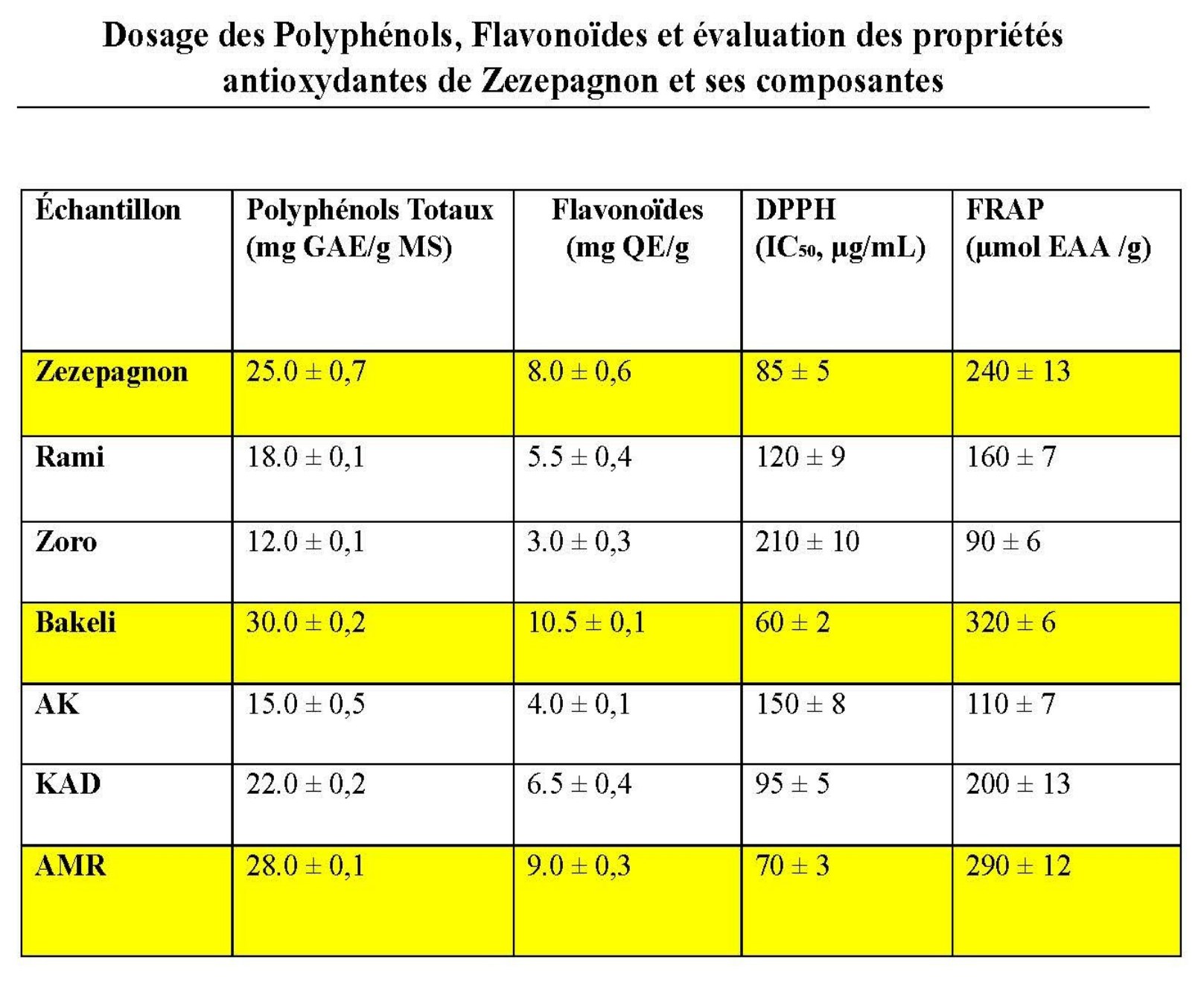
Cytotoxicity, polyphenols & flavonoids — Molecular Oncology Laboratory, University of Chicago

Original document — 4 parts
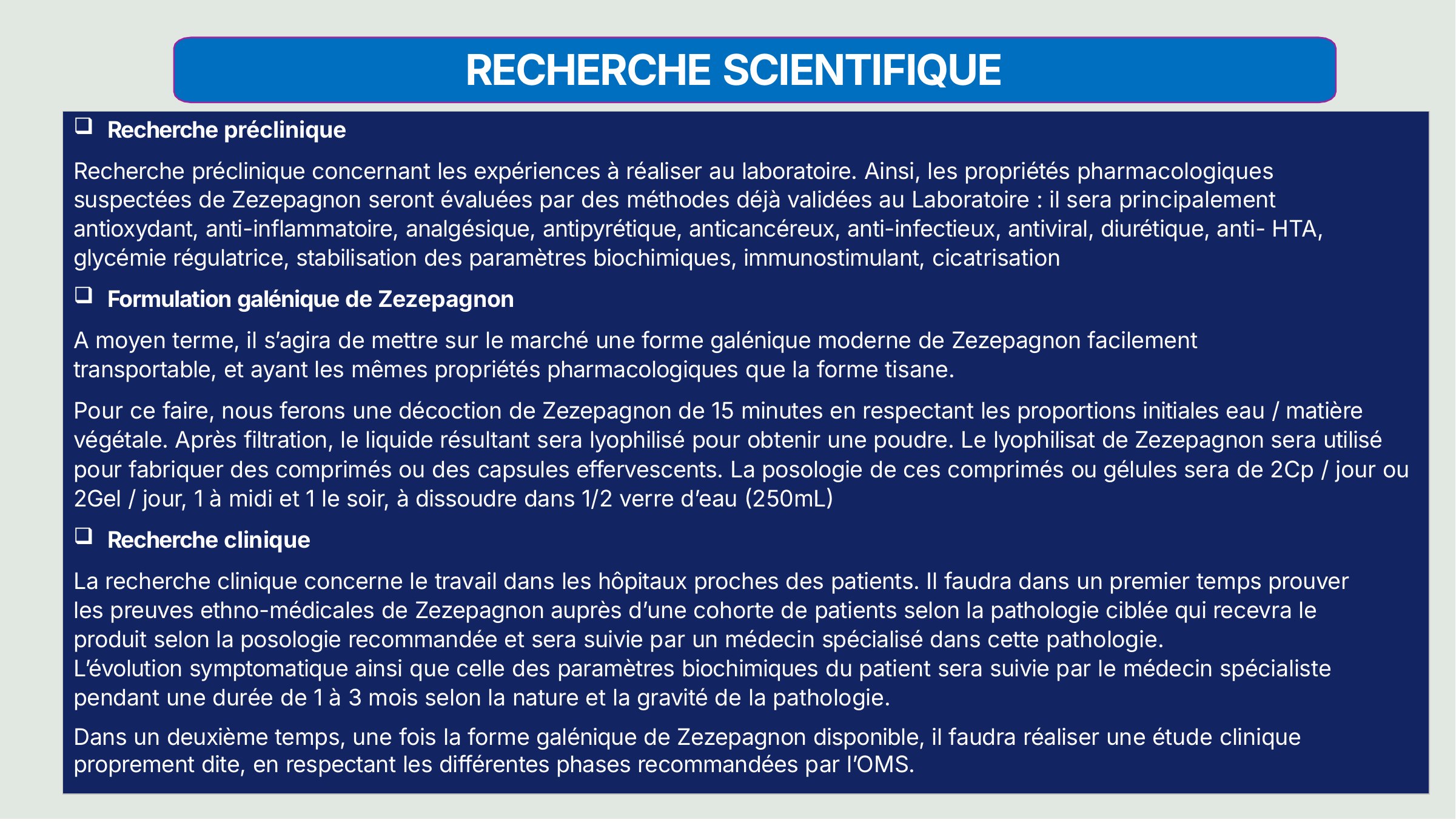
Recherche scientifique — diapositive 1
Cytotoxicité de la tisane Zezepagnon — diapositive 2
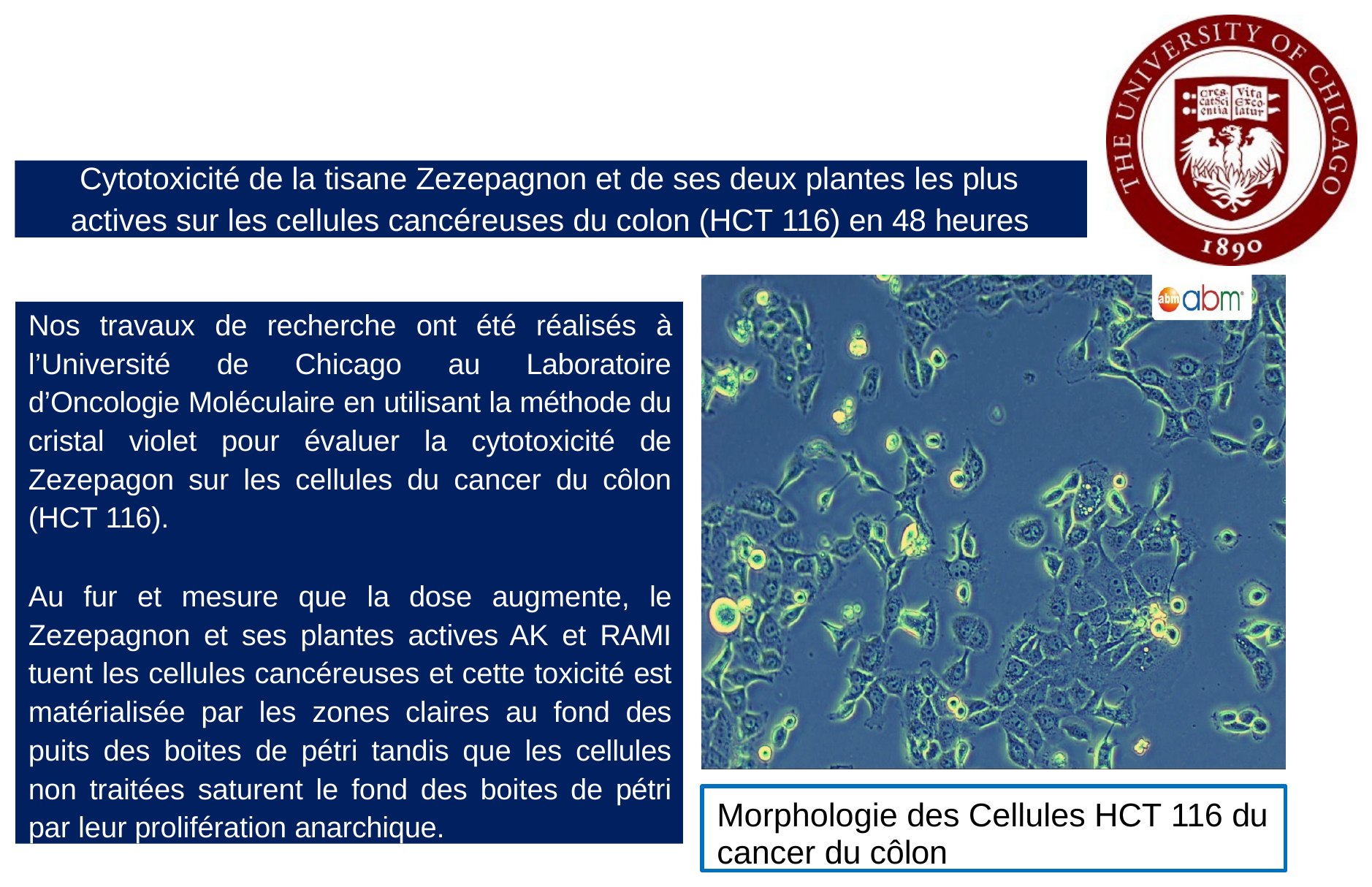
Morphologie des cellules HCT116 — diapositive 3
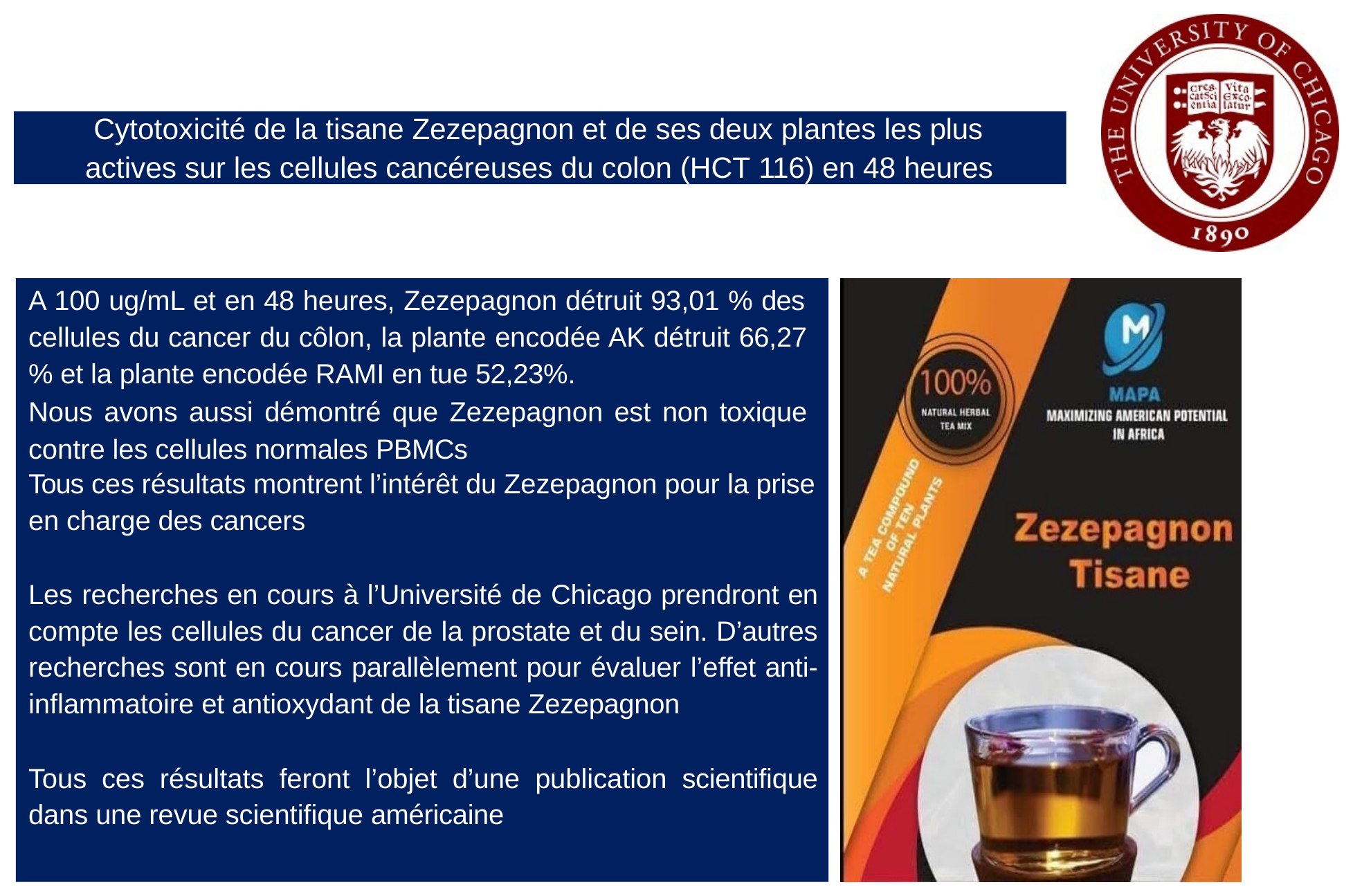
Résultats et perspectives — diapositive 4
Original document — 2 parts
Dosage des polyphénols, flavonoïdes et propriétés antioxydantes — tableau
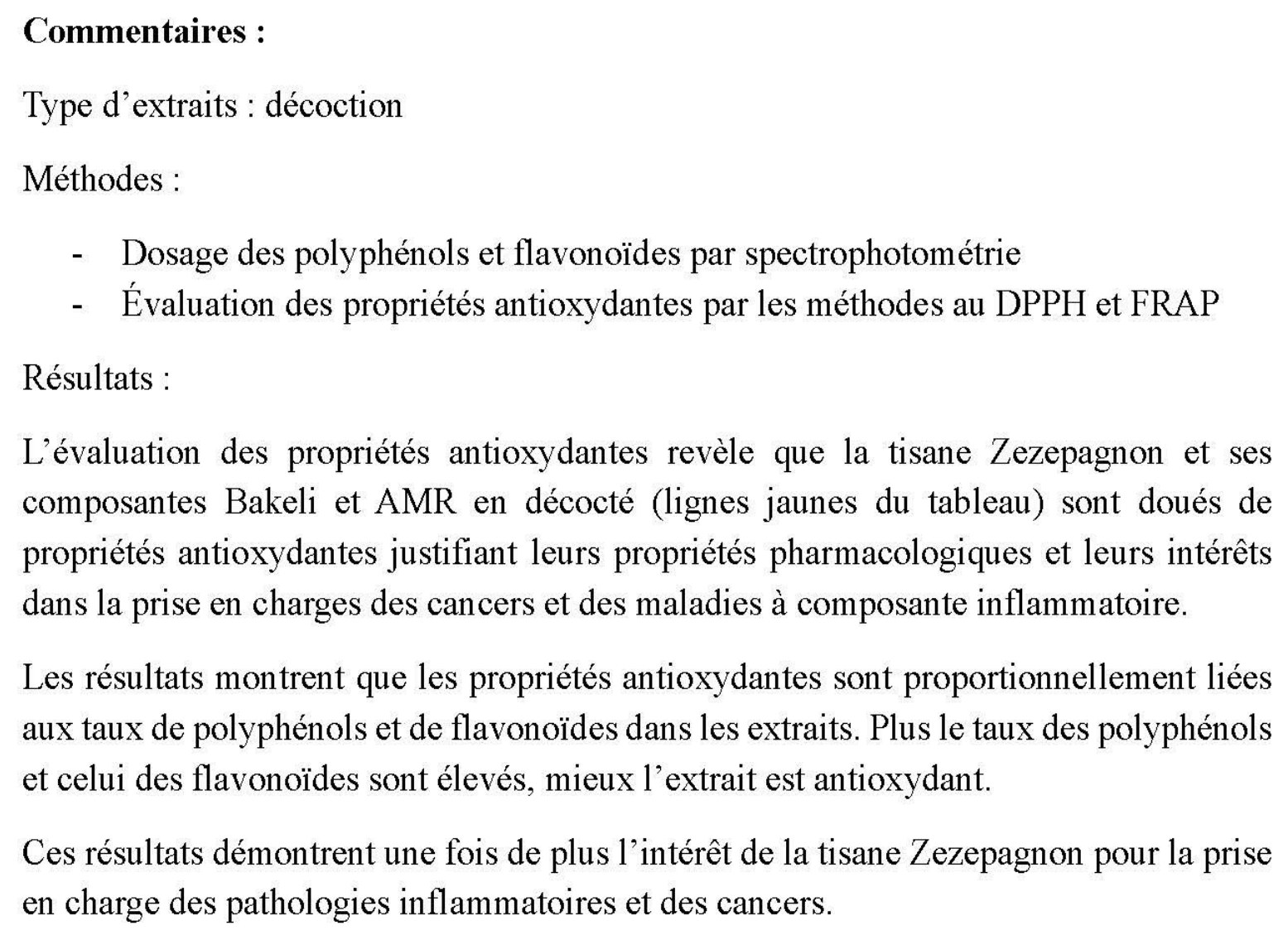
Dosage des polyphénols, flavonoïdes et propriétés antioxydantes — commentaires